Every year, right around now, I get some version of the same message: “how do I stop wearing sandals without buying a whole new wardrobe?”
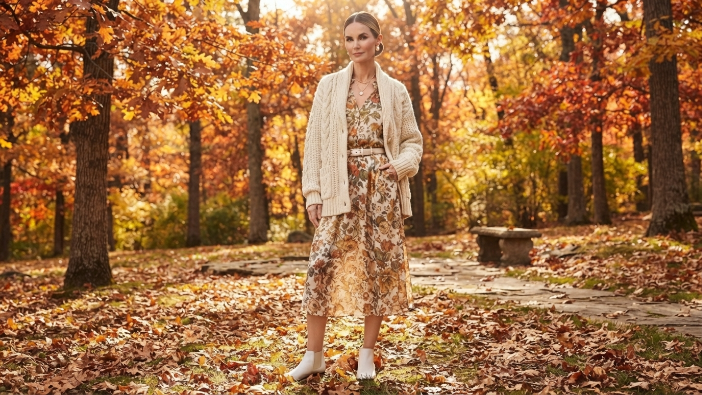
And every year my answer is basically the same — you don’t have to. Summer to fall fashion isn’t about starting over. It’s layering, it’s shifting your colors a little at a time, and it’s a handful of smart additions, not a closet overhaul.
The annoying part of this whole shift is the weather itself. Mornings feel like October, afternoons still feel like August, and you’re standing there in front of your closet not sure what’s actually going to work for the whole day.
I’ve been paying attention to this exact problem for years now, and I’ve landed on a system that actually holds up. Here it is. Ten practical, budget-friendly ways to move from summer into fall without losing comfort or style in the process.
Why This Transition Actually Matters
Dressing for this in-between weather isn’t really about temperature. It’s about signaling the season — through color, texture, silhouette — even when the thermometer hasn’t caught up yet.
I’ve noticed something consistent over the years: people who get this transition right end up getting way more mileage out of clothes they already own. They spend less. And honestly, they just look more put-together during a stretch of weather that trips most people up.
Fall outfit ideas lean on layering and texture more than they lean on heavy fabric. Which is good news, because it means most of your summer stuff isn’t going anywhere — it just needs the right things layered around it.
There’s also a money angle here that people underrate. If you build on what you already own instead of buying an entirely new fall wardrobe from scratch, you end up spending on a handful of versatile pieces instead of replacing your whole closet twice a year. It’s better for your wallet, and honestly it’s better for the planet too.
Over time you end up with a wardrobe that just flexes with the weather instead of needing constant replacing.
The 10 Ways
1. Layer Instead of Replace This is the big one. A lightweight cardigan thrown over a summer dress, or a button-down layered over a tank — both instantly read as fall while still holding up if the afternoon warms up. My rule of thumb: add before you replace.
Layering also just solves the actual practical problem of unpredictable weather. Cold morning commute, warm afternoon — removable layers mean you’re never stuck either overdressed or underdressed. Honestly, start thinking of your summer pieces as base layers for fall rather than things you pack away the second it gets chilly.
2. Shift Your Color Palette Gradually Summer wardrobes skew bright — pastels, whites, that kind of thing. Fall wants deeper, warmer tones: rust, olive, burgundy, camel. Don’t flip the switch all at once. Bring these in through accessories and smaller pieces first, then let full outfits catch up.
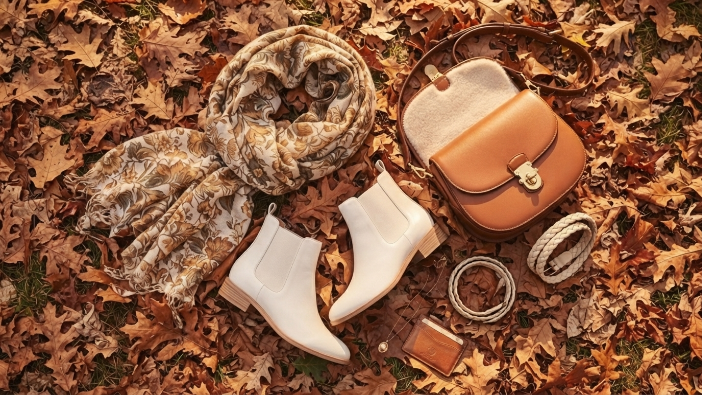
3. Swap Sandals for Transitional Shoes Ankle boots, loafers, closed-toe flats — this alone does a shocking amount of seasonal work without touching anything else in your closet. Footwear tells more of the story than most people give it credit for.
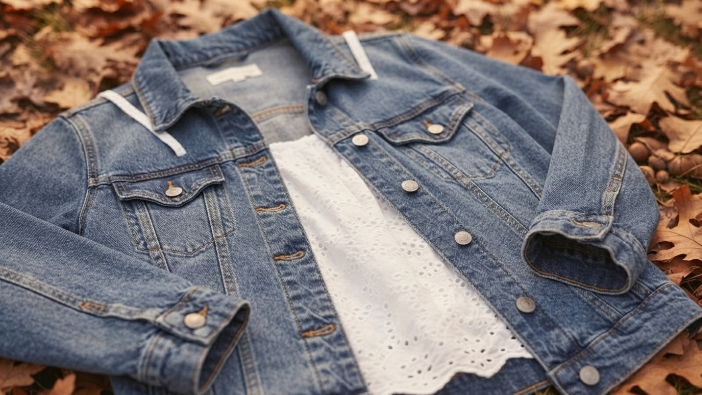
4. Introduce Lightweight Jackets A denim jacket, a utility jacket, a lightweight trench — these bridge the gap between bare summer arms and the heavy coats winter will eventually demand. Essential for chilly mornings and cooling evenings.
5. Rotate in Richer Fabrics Linen and cotton have their season, and it’s not this one. Fall wants corduroy, suede, light wool, brushed cotton. These add a sense of warmth visually, even before the actual temperature drops.
6. Repurpose Summer Dresses Don’t box these up yet. Throw a turtleneck under a sleeveless dress, or add tights and boots, and suddenly a summer dress is doing fall duty just fine.
7. Add Accessories That Signal the Season Scarves, structured bags, warmer-toned jewelry — all of it communicates the shift without a single new clothing purchase. This is genuinely the cheapest lever you can pull.
8. Rethink Your Bag Straw totes and canvas bags scream summer. Swap in leather or suede in warmer tones and the whole outfit’s seasonal feel shifts, even if nothing else changed.
9. Adjust Your Basics Trade sleeveless basics for three-quarter or long-sleeve versions in similar colors. Same foundation, updated for the actual weather.
10. Prioritize Versatile Outerwear One well-chosen jacket — a classic trench, a structured blazer — can carry a dozen different outfits through the whole season. It might be the single smartest purchase in this entire list. When you’re shopping for it, go neutral and go classic so it actually plays nice with what’s already in your closet.
Tips From Years of Doing This
- Start with shoes. Swapping footwear is the fastest way to shift how an outfit reads, season-wise.
- Layer with an exit strategy. Pick pieces you can shed as the day warms up instead of committing to heavy fabric too early.
- Build a small transition capsule. Five to seven pieces — a jacket, a scarf, boots, a couple of basics that flex. That’s plenty. You don’t need to touch the rest of your closet.
- Don’t rush the color shift. Doing it gradually feels more natural and lets you keep wearing your summer favorites a little longer.
- Keep a light layer in your bag. This has saved me more times than I can count when the weather didn’t do what it was supposed to.
- Think fabric weight, not just color. Sometimes the color’s right for fall but the fabric isn’t — that’s usually the actual problem.
Mistakes I See Every Year
- Retiring all your summer clothes way too early instead of just layering around them. A lot of those pieces still have months left in them if you pair them right.
- Jumping straight to heavy fall fabrics before the weather’s actually earned it — this is how people end up sweating through October.
- Sticking with sandals too long. Shoes carry more visual weight than people expect, and it can make an otherwise solid fall outfit feel off.
- Buying a whole new fall wardrobe when you didn’t need to. This is rarely necessary and it adds up fast.
- Skipping accessories, which is honestly the cheapest and easiest transition tool you have — and also the one people forget about most.
Final Thoughts
Moving your wardrobe from summer into fall isn’t about a dramatic shopping trip — it’s about being a little strategic.
Layer thoughtfully, shift your colors gradually, update a handful of accessories, and you’ll stretch what you already own a lot further while still looking like the season caught up with you.
The best transitional outfits are always the ones that feel effortless because they were actually planned out, not thrown together at the last minute. Start with one or two changes from this list and the rest tends to fall into place on its own.
You’re not aiming for perfection here. You’re building a wardrobe that moves with you as the weather shifts, one week at a time. Take it slow, layer as you need to, and let the actual temperature set the pace — not the calendar.
FAQ
How do I transition my wardrobe without buying new clothes?
Layer what you already own, swap accessories, update your shoes before you buy anything new at all.
What colors work best for fall outfit ideas?
Rust, olive, camel, burgundy — the warm, earthy end of the spectrum defines fall.
Can I still wear summer dresses in early fall?
Yes. Tights, boots, and a cardigan or turtleneck underneath does the trick.
What’s the cheapest way to update a seasonal wardrobe?
Accessories. Scarves, bags, jewelry — biggest impact for the smallest spend.
When should I actually start transitioning?
As soon as mornings and evenings consistently feel cooler, even if afternoons are still warm.
Do I need heavy fabrics right away?
No. Lightweight layers — denim jackets, cotton cardigans — are enough until it actually gets cold.
How many pieces do I need for a proper transitional wardrobe?
Five to seven versatile pieces is plenty to bridge the gap comfortably.