Introduction
Ask most people how to look stylish and their first instinct is to shop. But some of the most consistently well-dressed people I know aren’t buying constantly. They’ve built a handful of habits that make everything they already own work harder.
Looking stylish, it turns out, has less to do with the size of your closet and more to do with fit, care, and a few small styling decisions repeated over and over until they’re automatic.
There’s a bigger backdrop here too. Nearly half of fashion executives expect industry conditions and consumer confidence to keep softening this year, and prices are shifting in ways that make constant shopping feel less appealing anyway.
Learning how to look stylish without buying anything new isn’t just a budget move. It’s a genuinely more sustainable way to think about personal style long-term. Here are ten ways to actually do it.
1. Get One Key Piece Tailored This Month
Of everything on this list, tailoring has the biggest visual payoff for the least effort. Pick the piece you wear most and like the fit of least — a blazer, trousers, a dress — and get it adjusted. A properly hemmed pair of pants or a jacket taken in at the waist can change how “expensive” an entire outfit looks. You haven’t bought a single new item.
2. Learn Your Best Proportions, Not Just Trends
Personal style improves faster once you understand your own proportions instead of copying whatever’s trending.
Pay attention to which silhouettes actually make you feel put together — higher rise or lower, fitted or relaxed through the shoulder — and lean into those, repeatedly, even when something else is having a moment. This one shift does more for how stylish you look than any individual purchase ever will.
3. Rotate the Same Pieces With Different Combinations
Take three tops, three bottoms, and one layering piece from your closet and force yourself into combinations you haven’t tried. Most closets have way more usable outfits hiding in them than people actually wear — the same two or three pairings just become habit. Costs nothing. Takes ten minutes on a Sunday.
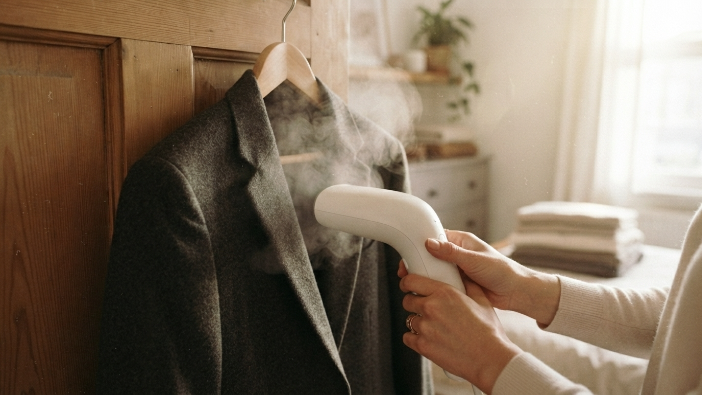
4. Steam or Press Everything Before Wearing It
Wrinkled clothing is one of the fastest ways to undercut an otherwise good outfit, and pressing takes minutes. A handheld steamer is a low-cost tool that pays for itself almost immediately in how finished your existing wardrobe looks.
5. Fix Small Damage Immediately
A missing button, a loose hem, a small stain — these are the kind of details that quietly erode how stylish an outfit looks, and they’re almost always quick fixes. Keep a small mending kit at home and address issues as soon as you notice them, rather than letting a favorite piece sit unworn because of a fixable flaw.
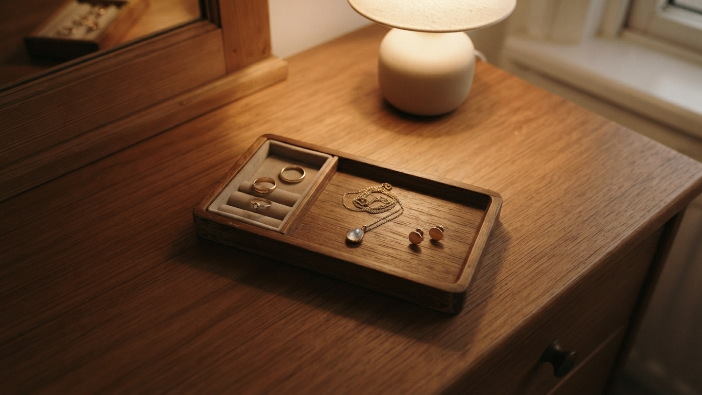
6. Curate Your Accessory Drawer Down to What You Actually Wear
Most people own more jewelry, belts, and scarves than they use, mostly because none of it is visible or easy to grab. Pull everything out.
Keep what genuinely gets worn. Box up the rest and put it somewhere else entirely. A smaller, visible accessory selection gets used far more than a big buried one — that’s not a style opinion, it’s just how drawers work.
7. Match Your Shoe and Bag Formality to the Outfit
This one gets overlooked constantly: a sporty sneaker under a tailored outfit, or a formal heel with weekend-casual clothes, can read as unintentional rather than deliberately mixed.
Before you walk out the door, check whether your shoes and bag are pulling in the same direction as the rest of the look — or whether the contrast is clearly a choice you’re making on purpose.
8. Build a Signature Detail
A go-to lip color, a particular way you tie a scarf, a specific type of earring you almost always wear — small, repeated personal details create a sense of consistent personal style even across very different outfits.
This is a favorite technique among stylists specifically because it reads as intentional without requiring new purchases.
9. Dress One Level Up From “Necessary” More Often
You don’t need an occasion to wear your nicer things. A lot of people save their best clothing for rare events and default to their least-loved pieces every single day, which flattens how stylish they look most of the time. Try wearing the outfit you’d normally save for “somewhere nice” on an ordinary Tuesday. Notice what changes.
10. Study What You Actually Reach For
Track which pieces in your closet you wear repeatedly over a month versus which ones sit untouched. This tells you more about your actual personal style than any style quiz — and it tells you exactly where to focus your future spending, if and when you do shop, rather than guessing.
Expert Styling Tips
- Treat “cost per wear” as your real budget metric. A pricier, well-made piece worn fifty times often ends up costing less per wear than a cheap piece that falls apart after three.
- Give yourself a five-minute outfit check before leaving the house. Fit, wrinkles, and shoe condition catch most of what quietly undercuts an otherwise good look.
- Keep one “elevate anything” piece on standby — a blazer, a structured bag, a great pair of boots — something that instantly dresses up simpler basics.
- Reassess your closet twice a year, not just when you’re about to shop. Try on things you haven’t worn in a while. You’ll rediscover combinations you forgot you had.
Real-Life Examples
Project 333’s proof that constraint builds better styling skills
Courtney Carver’s Project 333 challenge asks participants to dress with 33 items or fewer — including clothing, accessories, jewelry, outerwear, and shoes — for three months at a stretch, and it’s been running since 2010.
Thousands of people have documented the same pattern: limiting their options pushed them toward more creative combinations of what they already owned. It’s direct, practical evidence that looking stylish is a skill you build through repetition and constraint, not through acquiring more stuff.
Consumers are shifting toward value and quality over constant newness
ThredUp data cited in 2026 fashion industry forecasting found that nearly 60 percent of global consumers plan to seek more affordable options, including resale, as apparel prices rise due to tariffs.
That mirrors the same principle on an individual level — getting more mileage out of what you already own, or buying secondhand with intention, isn’t a niche move anymore. It’s becoming the default.
Brands are leaning into quality instead of competing purely on price
Fast-fashion retailers including Bershka and H&M cut their lowest price-tier SKUs by 15 to 25 percent in the UK between 2023 and 2025.
Even the industry that built itself on cheap-and-constant is recognizing that fit and quality — the exact fundamentals behind personal styling — matter more to shoppers than sheer volume or rock-bottom pricing.
Conclusion
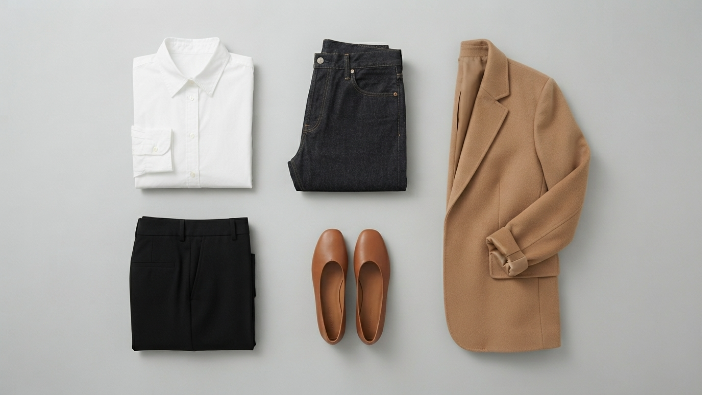
Looking stylish doesn’t start with a shopping trip. It starts with fit, care, and a handful of small, repeatable habits applied to what you already own. Tailor one key piece. Steam your clothes before wearing them.
Pay attention to which combinations you actually reach for, not the ones sitting untouched in the back. Do that consistently, and you’ll probably find you need to buy a lot less than you thought to look — and feel — genuinely put together.
FAQ
Can I actually look more stylish without buying new clothes?
Yes. Fit, garment care, proportion, and how you combine what you already own have a bigger visual impact than most new purchases — especially if your wardrobe already has some variety in it.
What’s the single most effective free way to look more stylish?
Get one favorite piece properly tailored. Steam or press your clothes before wearing them. Both cost next to nothing and change how polished an outfit looks almost instantly.
How do I find my personal style without shopping?
Track what you actually reach for over a month. That pattern will tell you more about your real preferences than any trend list or style quiz.
Is it better to buy fewer, higher-quality clothes?
Generally, yes — when you measure it by cost per wear. A well-made piece worn often over years usually costs less per wear than several cheap pieces you replace again and again.
How often should I reassess my closet?
Twice a year is plenty for most people. Try on things you haven’t worn recently and you’ll usually rediscover a few useful combinations, along with what’s genuinely not working anymore.