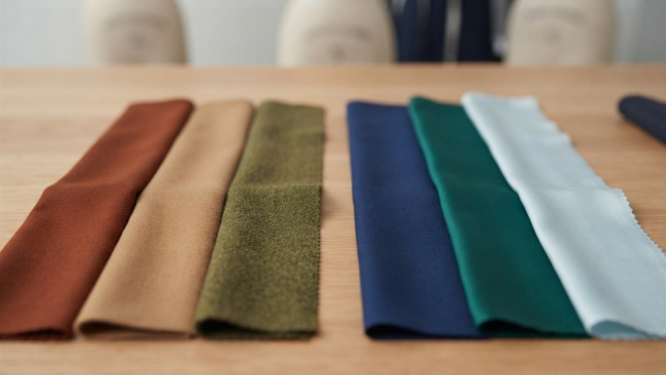
Pull two shirts from your closet in almost identical styles but different colors, and you’ll notice something strange: one makes your skin look brighter and more awake, the other makes you look a little tired for no obvious reason.
Nothing about your face changed between outfits — only the color reflecting onto it did. That’s the entire logic behind matching clothing colors to skin tone, and it’s a lot more useful, and a lot less rigid, than most color-rule content makes it seem.
Undertone, Not Skin Color, Is What Actually Matters
The most common mix-up in this topic is confusing skin tone — how light or deep your complexion is — with undertone, which is the subtle warm, cool, or neutral cast underneath it.
Two people with the exact same depth of skin color can have completely different undertones, and undertone is what actually determines which colors look most harmonious against your complexion.
Warm undertones tend to have golden, peachy, or yellow undertones. Cool undertones lean pink, red, or bluish. Neutral undertones sit somewhere in between, often with a mix of both. None of these categories is better than another — they simply respond differently to different colors.
A Few Simple Ways to Get a Read on Your Undertone
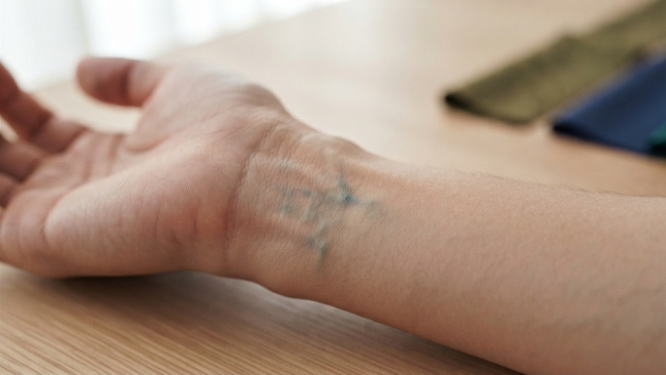
There’s no need for elaborate tools here. Checking the veins on your inner wrist in natural light offers a rough guide: greenish veins often suggest warmer undertones, bluish or purplish veins often suggest cooler ones, and a mix suggests neutral.
Another approach is noticing which metals look better against your skin — gold jewelry tends to flatter warmer undertones, silver tends to flatter cooler ones, and both can work for neutral undertones.
These are starting points, not strict diagnostic tests, and it’s fine if the signals feel mixed — most people land somewhere on a spectrum rather than in a rigid box.
Colors That Tend to Suit Warm Undertones
Warm undertones often harmonize well with colors that carry a similar golden base — think warm reds, oranges, olive green, camel, warm browns, and golden yellows. These shades tend to make warm-toned skin look more radiant rather than washed out, though personal preference and the exact shade always play a role too.
Colors That Tend to Suit Cool Undertones
Cool undertones often pair well with colors on the bluer end of the spectrum — jewel tones like sapphire and emerald, true reds with a blue base, cool greys, and icy pastels. These shades tend to create a crisper, more polished contrast against cool-toned skin.
Colors That Work Across Almost Any Undertone
Some colors are genuinely more universal than others. Certain shades of teal, soft berry tones, and true neutrals like charcoal or soft white tend to flatter a wide range of undertones, which makes them useful anchor colors for almost any wardrobe, regardless of where you land on the warm-cool spectrum.
Contrast Matters as Much as Undertone
Beyond warm and cool, how much contrast exists between your skin, hair, and eye color also affects which colors read as flattering. Someone with high natural contrast — dark hair against fair skin, for instance — often carries bold, high-contrast color combinations well.
Someone with lower natural contrast often looks more balanced in softer, more tonal color pairings. This factor gets left out of most warm-cool color guides, but it’s just as relevant.
These Are Starting Points, Not Rules to Follow Rigidly
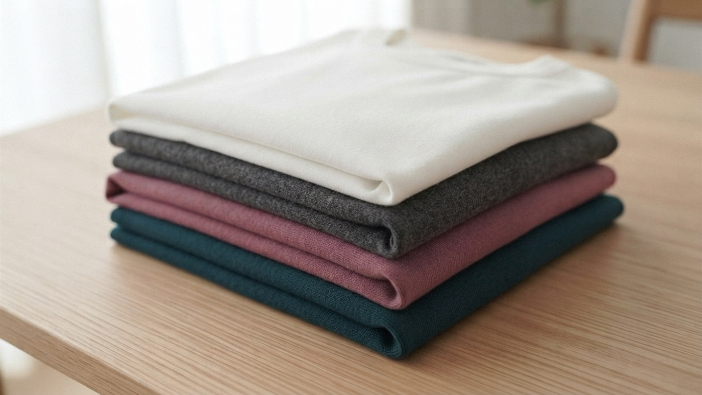
It’s worth saying clearly: none of this is a strict rulebook. Plenty of people wear colors “outside” their supposed palette and look great, because personal styling involves far more variables than undertone alone — confidence, personal preference, the specific shade, and how a color is paired with others in an outfit all matter enormously.
Undertone is a useful lens for narrowing down options, especially when shopping, not a restriction on what you’re allowed to wear.
Building a Wardrobe Around Your Best Colors
Once you have a rough sense of which colors tend to look most alive on you, it’s worth weaving a few of them consistently into your wardrobe — a go-to top color, a favorite accessory shade, a lipstick tone that photographs well.
You don’t need to overhaul an entire closet around this idea. Even small, consistent choices, applied where they’re most visible — near your face — tend to have an outsized effect on how put-together an outfit reads.
FAQ
How do I know if I have a warm or cool skin undertone?
Check your wrist veins in natural light — greenish suggests warm, bluish suggests cool, and a mix suggests neutral. Noticing whether gold or silver jewelry looks better against your skin is another helpful, informal indicator.
What colors are best for warm undertones?
Warm reds, oranges, olive green, camel, and golden yellows tend to complement warm undertones well, though the exact best shades vary from person to person.
What colors are best for cool undertones?
Jewel tones like sapphire and emerald, blue-based reds, and cool greys tend to suit cool undertones, creating a crisp, polished contrast against the skin.
Are there colors that work for every skin tone?
Yes — certain shades of teal, soft berry, charcoal, and soft white tend to be more universally flattering across a wide range of undertones, making them useful wardrobe staples.
Do I have to strictly follow my undertone when choosing clothing colors?
No. Undertone is a helpful starting point for narrowing choices, especially while shopping, but personal preference, contrast, and how colors are paired matter just as much as undertone alone.
Can my best colors change depending on lighting or season?
Slightly, yes — natural daylight tends to show undertones most accurately, while artificial lighting can shift how a color reads. It’s worth checking new colors in daylight when possible.
Does hair or eye color affect which clothing colors suit me?
Yes — natural contrast between your skin, hair, and eyes influences which color combinations look most balanced, alongside undertone itself.