Introduction
Every trend cycle produces a flood of “must-try” lists, and most of them age badly within a season. What’s actually useful is separating genuine shifts in how people are dressing from short-lived micro-trends that look great on a runway and terrible in real life.
Fashion trends 2026 has produced a genuinely interesting mix: a return to quiet, considered dressing on one hand, and bolder, more expressive pieces on the other, often within the same wardrobe.
I’ve pulled together twelve trends that are showing real staying power — backed by what’s actually happening in retail, on runways, and in color forecasting — along with honest notes on who each trend suits and how to wear it without looking like you’re trying too hard.
This isn’t a list of everything trending; it’s a filtered list of what’s genuinely worth your closet space.
Cloud Dancer White Is Everywhere (For a Reason)
Pantone picked a soft, billowy white called Cloud Dancer as its Color of the Year, and honestly, the choice makes sense the moment you think about why. It’s calm. Balanced. The kind of white that doesn’t shout.
Pantone’s own language around it leaned into words like serenity — a deliberate counterweight to how frantic everyday life has gotten. Expect it in knitwear, tailoring, outerwear, the works.
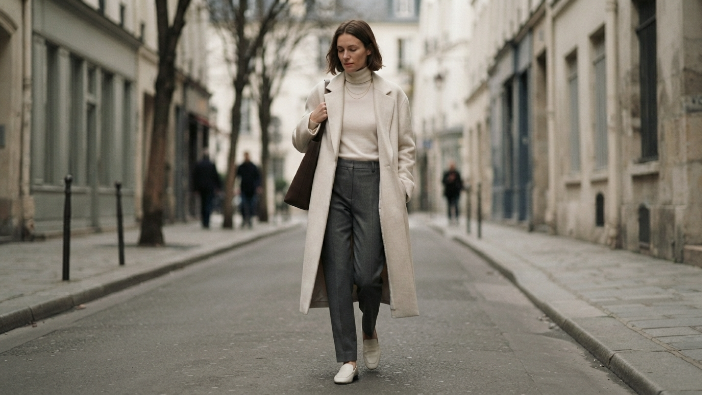
How to wear it: Skip the shiny fabrics — they make Cloud Dancer feel cold instead of soft. Pair it with linen, wool, unlacquered leather, anything with a little texture and warmth. It shines as an outer layer over deeper neutrals.
2. Quiet Luxury Hasn’t Gone Anywhere
This one’s not new, but it’s not fading either — it’s just settling in. The whole logo-free, expensive-but-understated aesthetic that’s been floating through celebrity style for years (think Sofia Richie’s wedding looks, red carpet moments that whisper instead of shout) is still shaping how mainstream brands design their core pieces.
How to wear it: Chase fit and fabric, not branding. A well-cut, neutral-toned coat will outlive any logo-driven piece by several seasons.
3. Jewelry Is Becoming a Real Investment Category
This is one of the more interesting data points floating around right now: jewelry is expected to be the fastest-growing category in fashion by unit sales, outpacing clothing by nearly four to one.
Both costume and fine jewelry are projected to grow somewhere in the 5–6% range annually through 2028. People aren’t buying jewelry as an afterthought anymore — they’re treating it like a long-term purchase.
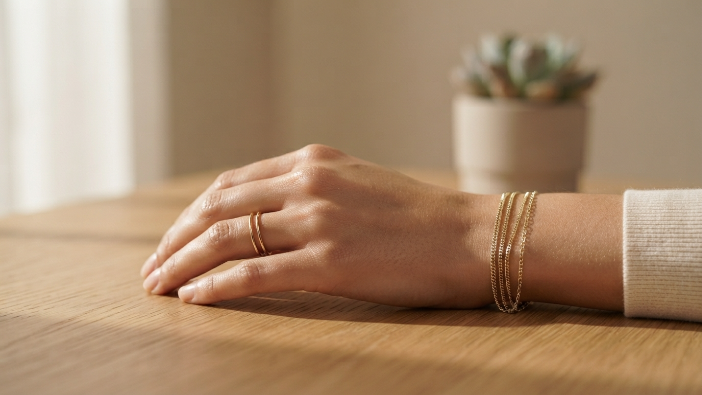
How to wear it: Go for fewer, better pieces. A signature ring or a genuinely good chain that works with everything beats a drawer full of trend pieces you’ll forget by spring.
4. Resale Isn’t a Backup Plan Anymore — It’s the Plan
Secondhand fashion is projected to grow two to three times faster than first-hand retail through 2027. And it’s not purely about sustainability anymore — nearly 60% of shoppers globally say they’ll lean harder into resale if tariffs keep pushing prices up.
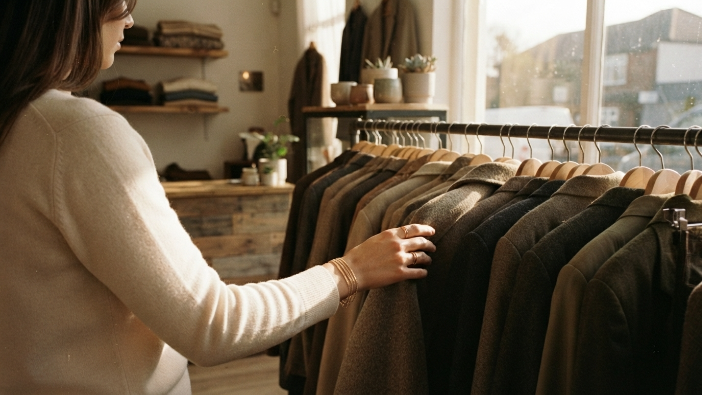
How to wear it: Treat resale platforms as a primary shopping stop, not a last resort — especially for coats, bags, and jewelry, where a well-kept secondhand piece often beats a new fast-fashion equivalent outright.
5. The Middle Ground Is Growing
Forget the old luxury-vs-fast-fashion divide. The real movement in 2026 is toward “affordable aspiration” — brands targeting shoppers who want better design and quality without luxury price tags.
How to wear it: Don’t assume good design only lives at the top of the price ladder. Mid-market brands are where a lot of the smartest basics and statement pieces are showing up right now.
6. Stores Are Trying Harder
As competition shifts away from pure price wars, brands are investing more in elevated experiences — better in-store presentation, improved product quality, a general upmarket push. It’s technically a retail trend, but it trickles straight down into what’s available and how it’s shown to you.
How to wear it: Use it as an excuse to try things on in person again, especially for anything fit-sensitive like tailoring or denim, where better fitting rooms and staff guidance actually make a difference.
7. Dressing With Wellness in Mind
Fashion brands keep leaning further into wellness — body, mind, general wellbeing — as people redirect more of their spending toward feeling good rather than just looking good. This isn’t brand new (it’s been building since around 2017), but it’s still shaping product design heavily in 2026.
How to wear it: Expect more technical, comfort-first fabrics even in dressier categories — think stretch tailoring, breathable knits, and shoes actually built for walking rather than posing.
8. Feathers Are Having a Moment
Feathers showed up in a big way at recent major fashion events — an 18-foot feathered train being one of the more dramatic examples — alongside floaty, clean white silhouettes that artists have been favoring during recent album cycles. It’s slowly making its way from red carpets into more everyday pieces like collars, cuffs, and evening bags.
How to wear it: Start small. A feather-trimmed clutch or a collar detail keeps the trend wearable without tipping into costume territory.
9. Bubble Hems and Sculptural Shapes
Alongside all the soft, quiet neutrals, there’s a competing pull toward rounded, sculptural silhouettes — bubble-hem dresses showing up at major festival appearances being the clearest example. It’s structure as a counterpoint to minimalism.
How to wear it: Let one statement piece do the work. A bubble-hem skirt or dress paired with simple, fitted layers keeps the silhouette as the star instead of competing with itself.
10. AI Is Reshaping How People Shop
Industry executives are now naming AI as the single biggest opportunity in fashion for 2026 — ahead of product differentiation, ahead of sustainability. It’s showing up in creative workflows, customer engagement, and increasingly, in how people actually shop.
How to wear it: This trend lives less in your closet and more in your shopping habits — look out for AI-powered fit prediction, personalized recommendations, and virtual try-on tools that are actually worth using before you check out.
11. Prices Are Shifting, So Buy Smarter
Trade disruptions and softening consumer confidence are among the biggest headaches facing the industry this year, with a lot of leaders expecting things to get harder before they get easier. That trickles straight down to shoppers: prices are moving, and buying with more intention matters more than it used to.
How to wear it: Treat 2026 as a year to prioritize cost-per-wear over sheer quantity — fewer pieces that work across more occasions beats a closet full of one-time wears.
12. Personal Style Over Prescribed Trends
Maybe the biggest trend of all is a quiet rebellion against trend lists themselves (yes, including this one). More people are building around their own proportions, lifestyle, and color preferences instead of chasing every micro-trend — a natural response to a market that’s constantly rethinking its own spending habits.
How to wear it: Treat any trend list as a menu, not a mandate. Pick the one or two that genuinely fit your life and your closet, and let the rest go.
A Few Styling Notes Worth Keeping
- Buy trend pieces in small doses. One accessory lets you dip a toe in without overcommitting your closet or your budget.
- Check the construction before you commit. A well-made trend piece can become a genuine staple. A poorly made one won’t make it past one season.
- Use trend colors as accents. Especially something as specific as Cloud Dancer white — it’s a lot easier to keep looking fresh as a layer than as a full head-to-toe look.
- Look at your existing wardrobe first. The cheapest way to “try” a trend is usually restyling something you already own, not buying something new.
Where This Is All Coming From
A few real sources back up these calls, if you’re curious:
Pantone’s Color of the Year process isn’t just vibes — their team interviews and studies color experts across film, fashion, design, tech, and social movements to land on a shade that captures the coming year.
Cloud Dancer’s selection as a calming, excess-free white is a pretty clean example of how color forecasting actually filters down into stores.
McKinsey and Business of Fashion’s tenth annual State of Fashion report is one of the more rigorously researched industry snapshots out there, surveying both executives and consumers on tariffs, AI, and shifting priorities — worth a look if you want the numbers behind the trend talk rather than just the trend talk itself.
And the resale numbers trace back to ThredUp’s research, which found that close to 60% of consumers globally say rising tariffs will push them toward resale and other more affordable options — a real, documented shift in how people are sourcing their clothes this year.
Conclusion
The fashion trends 2026 has produced aren’t a single aesthetic — they’re a mix of quiet, considered dressing and bolder, more expressive choices, shaped as much by economics and color forecasting as by runway shows.
The trends worth trying are the ones you can genuinely see fitting into your existing wardrobe and daily life, whether that’s a soft neutral coat, an investment piece of jewelry, or simply shopping resale more intentionally.
Pick one or two from this list, try them against what you already own, and let the rest pass you by without guilt.
Quick Questions People Ask
What’s the Pantone Color of the Year for 2026?
Cloud Dancer — a soft, calming white meant to reflect a desire for simplicity in a chaotic moment.
Can quiet luxury and bold statement pieces (like feathers) coexist?
Yes, easily. A lot of wardrobes in 2026 hold both — understated basics for daily life, more expressive pieces for occasions.
Is resale actually a big deal, or just a nice idea?
It’s real. Resale is genuinely outgrowing first-hand retail, driven by both price pressure and a growing taste for unique, sustainable pieces.
Do I need to follow all twelve of these trends?
No. Pick one or two that actually suit you. That’s more effective — and more sustainable — than trying to wear all of them at once.
How exactly is AI changing the way people shop for clothes?
Mostly through personalized recommendations, better fit prediction, and virtual try-on — tools brands are investing in heavily because executives see AI as the industry’s biggest opportunity this year.