Nobody wakes up and decides to dress in a way that ages them. But over the years I’ve noticed how a handful of small, easy-to-miss habits quietly pile years onto how someone reads — usually without them ever clocking why.
The good part is that once you spot these fashion mistakes, they’re almost embarrassingly simple to fix, and you’ll see the difference right away.
This isn’t about chasing youth for its own sake — I want to be clear on that. It’s about dressing in a way that feels current, intentional, actually true to who you are right now, instead of running on habits you picked up years ago and never questioned.
What I’ve found, more often than not, is that the gap between an outfit that reads fresh and one that reads dated comes down to fit, proportion, and a few small choices — not some total wardrobe teardown.
So let’s get into it: twelve of the most common style mistakes that tend to age a look, and practical, modern dressing tips for fixing each one.
Why Small Style Choices Have a Big Impact on Perceived Age
Perceived age in fashion has almost nothing to do with actual age and everything to do with how current, well-fitted, and deliberate your clothes look.
What I keep running into is people holding onto certain habits — a particular jean cut, a specific styling choice tied to an old hairstyle, a color palette they’ve never revisited — purely out of comfort, without clocking how much those choices are quietly dating them.
Here’s the encouraging part, though: this is almost entirely reversible. Unlike a lot of things tied up with aging, style is something you control completely. Small, targeted changes go a surprisingly long way.
12 Fashion Mistakes That Can Age Your Look
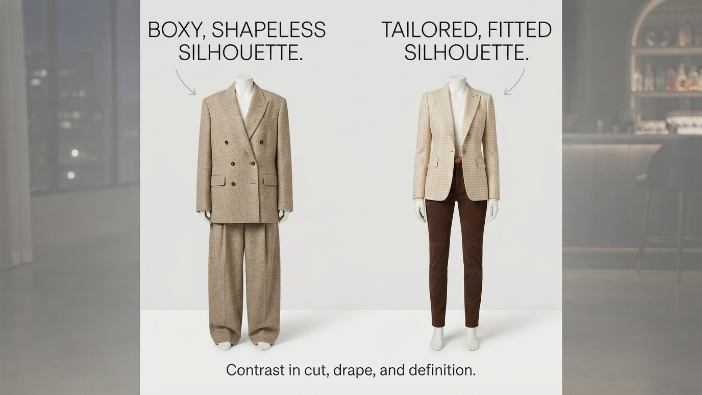
1. Wearing Boxy, Shapeless Silhouettes
Head-to-toe boxy, shapeless clothing hides your shape entirely, and it tends to read as older and less intentional than it needs to. This is easily one of the most common fashion mistakes that make you look older — mostly because it strips out any structure at all.
Fix it: Bring in one fitted element — a tailored waist, a fitted sleeve, a defined hem. Just one is usually enough.
2. Overdoing Matronly Prints
Small, busy florals or overly traditional prints can drift into “dated” instead of “classic” fast. The print isn’t the actual problem here — it’s usually the scale and how it’s styled.
Fix it: Go bigger and more graphic with your prints, or pair a traditional one with something more modern to balance it out.
3. Wearing Clothes That Are Too Loose Everywhere
Same issue as boxy silhouettes, really — an entire outfit that’s oversized reads as either hiding something or just out of step with how tailoring’s trending right now.
Fix it: Tailor the key pieces, even a little, so they follow your actual waistline and shoulder line.
4. Sticking to an Outdated Color Palette
A muted, overly cautious palette worn exclusively can quietly age you, even if every single piece is genuinely well made.
Fix it: Bring in one or two updated, seasonal colors to keep things feeling current.
5. Wearing Overly Structured, Stiff Outerwear
Boxy, heavily structured coats — especially in stiffer fabrics — tend to look dated next to today’s softer, more fluid outerwear shapes.
Fix it: Look for outerwear with more drape, or something with a defined waist for a shape that feels current.
6. Neglecting Shoe Updates
Shoes get overlooked constantly. Holding onto the same shoe shapes for years — regardless of where trends and fit standards have moved — can quietly date an entire outfit without you noticing.
Fix it: Take stock of your shoe rotation periodically and bring in one or two updated, versatile pairs each year.
7. Overaccessorizing with Matching Sets
A fully matching jewelry set — earrings, necklace, bracelet, all from one collection — tends to read as overly formal and a bit dated, rather than intentionally put together.
Fix it: Mix metals, mix sources. A more layered accessory approach reads far more current.
8. Wearing High-Waisted Everything Without Balance
High-waisted silhouettes are broadly flattering, sure, but wearing them exclusively — no balancing crop or fitted top ever — can create a uniform, dated look over time.
Fix it: Vary your rise and proportions so your silhouette keeps feeling fresh.
9. Ignoring Undergarment Fit
Undergarments that don’t fit right will distort even the best-made clothing over them — lines, bulges, sagging — all of which quietly ages the whole silhouette.
Fix it: Get properly fitted for your foundational pieces at least once a year. Your body shifts, whether you’re tracking it or not.
10. Relying Solely on “Safe” Neutral Basics
Neutrals are a genuinely valuable foundation, but an entire wardrobe with zero color or personality can read as overly cautious instead of intentionally curated.
Fix it: Add one statement piece to each outfit — a bold accessory, a pop of color, an interesting texture.
11. Wearing Outdated Denim Washes or Cuts
Certain washes and cuts — heavily faded, extremely tapered, over-embellished — will date an outfit instantly, even when everything else about it is current.
Fix it: Refresh your denim every few years. This category shifts faster than almost anything else in your closet.
12. Avoiding Trends Entirely Out of Habit
Here’s the ironic one: avoiding every trend on principle, because “classic” supposedly means “safe,” can itself become a dated approach — since classic style has actually been quietly evolving the whole time, whether you noticed or not.
Fix it: Let one small, current trend element into your rotation, just to keep your look connected to now.
Modern Dressing Tips That Instantly Refresh Your Style
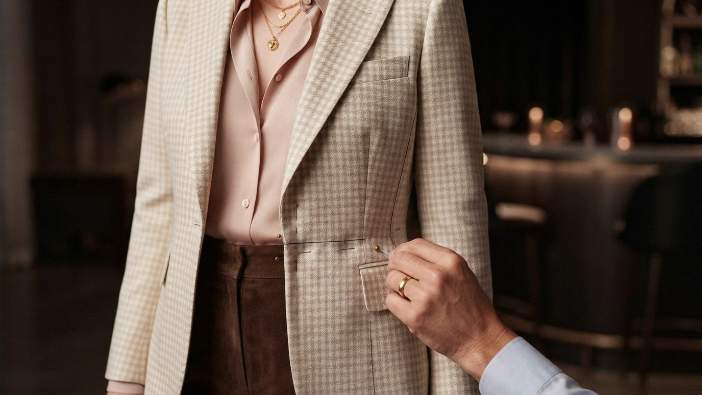
If you want a fast way to modernize things without a full overhaul, focus on three areas: fit, color, and one statement element.
Get a handful of your most-worn pieces tailored, bring in one or two updated colors, add a single current accessory or silhouette detail — and you’ll see a real difference without touching most of your closet.
My advice is always to start with whatever you wear most often. If your everyday go-to includes a cut or silhouette that hasn’t been touched in years, that’s your highest-impact place to begin.
Expert Tips from My Experience
Here’s a mistake I run into constantly: people assume avoiding these fashion mistakes means dressing more conservatively. Honestly, it’s usually the opposite.
A little more intentional boldness — through color, through fit, through picking up one current trend — tends to read as far more current and confident than playing everything safe.
Tailoring, in my experience, is the single highest-impact thing anyone can invest in, no matter their age or budget. A properly tailored blazer or pair of trousers reads more current than something off the rack, even if the garment itself is years old.
I’ve also noticed people holding onto a specific “signature” look long after it stopped actually serving them — not because they genuinely prefer it anymore, just out of habit.
If there’s one thing I keep coming back to, it’s that questioning your own defaults every so often is one of the most effective things you can do for your style.
And honestly? I think confidence matters more here than people give it credit for. An outfit worn with real confidence, even if it’s not perfectly executed, will almost always read as more current than a technically “correct” outfit worn like you’re not sure about it.
Common Mistakes to Avoid
- Changing too much at once. Gradual, intentional updates stick better and integrate more naturally into your existing style.
- Chasing every trend just to feel younger. Usually backfires. The goal here is intentional modernizing, not trend-chasing.
- Sacrificing fit for comfort. These two aren’t actually opposites — well-tailored clothing can be just as comfortable as anything ill-fitting.
- Skipping foundational pieces like undergarments and tailoring. These do more for how modern and polished you look than most people assume.
- Treating “classic” like it means “unchanging.” Classic style keeps evolving quietly. Staying aware of that keeps your look current too.
Final Thoughts
Avoiding these fashion mistakes was never really about chasing youth — it’s about dressing with intention, awareness, and confidence at whatever stage you’re at right now.
Nearly all the style mistakes covered here are fixable with small, targeted adjustments, not some complete wardrobe overhaul.
If you take one thing from this, let it be this: modern dressing tips were never about blindly following every trend that comes along.
They’re about staying tuned into fit, proportion, and the small updates that keep your personal style feeling as current and confident as you actually are.
Frequently Asked Questions
What’s the single most impactful change I can make to look more current?
Getting your most-worn pieces properly tailored — that has the biggest overall payoff, hands down.
Are certain colors inherently aging?
Not really, but sticking exclusively to a muted, conservative palette without ever updating it can start to read as dated.
How often should I update my shoe rotation?
Once a year is a good rhythm — reassess and swap in one or two updated pairs.
Is it possible to look modern while still dressing conservatively?
Yes. Modern dressing tips are really about fit, proportion, and intentional choices, not about wearing more revealing or trendy clothing necessarily.
Should I avoid all traditional prints and patterns?
No — pair a traditional print with a more modern silhouette and it’ll keep the whole look feeling current.
How do I know if my undergarments are affecting my silhouette?
Visible lines, bulging, anything distorting the fit underneath your clothing — that’s your sign it’s time for a refit.
What’s the easiest way to add a trend without a full wardrobe change?
Accessories. Lower commitment, easier to swap out, and they do the job just as well as clothing does.