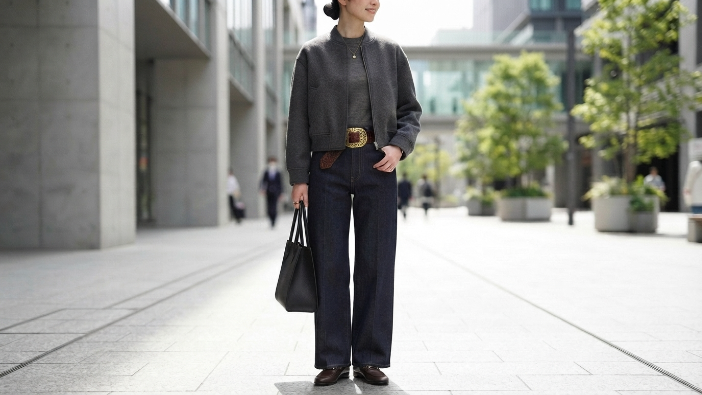
I get some version of this question all the time: “How do I look put-together without wrecking my budget?” Fair question, honestly — probably one of the most reasonable things anyone could ask.
Looking good has less to do with how much you’re spending than you’d think, and a lot more to do with how you shop, how you style what you own, and whether you actually take care of it.
If some part of you still thinks great style belongs to people who can spend without thinking twice, I’d push back on that. Some of the best-dressed people I know spend way less than you’d guess walking past them.
They’ve just picked up a few habits — half the time without even realizing it — that make what they own read as pricier than it was.
Take this as the kind of fashion-on-a-budget advice I’d give a friend who wants her style to level up without touching her savings.
Why Budget Doesn’t Mean Boring
There’s this stubborn idea floating around that style needs designer labels or a serious clothing budget behind it. It doesn’t. Style is fit, proportion, how your colors work together, and a bit of confidence — none of which cost extra.
If anything, a tight budget sharpens someone’s eye faster than a bottomless one ever would, because it forces you to actually work with what’s already in front of you instead of just buying your way out of a problem.
Get a few core principles down and even a small closet stretches into more outfits than you’d think possible. This was never about settling for lower quality. It’s about shopping with intention and making sure everything you own is actually earning its keep.
The Tips
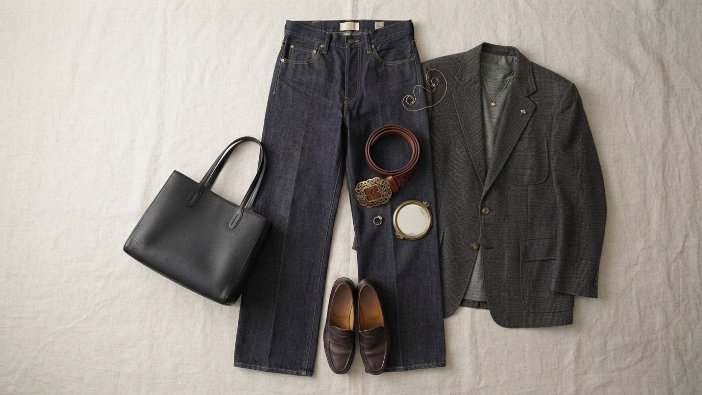
1. Build a Capsule Wardrobe First
Before buying anything new, look at what’s actually in your closet already. A tight, curated set of pieces that mix and match easily kills the urge to overbuy — and keeps your closet from filling up with things you never reach for.
2. Prioritize Fit Over Price
A $20 top that actually fits beats a $200 piece that doesn’t sit right, every time. Getting the size right, or having something taken in, does more for how an outfit looks than most people give it credit for.
3. Shop Secondhand Strategically
Thrift stores, consignment shops, resale apps — genuinely goldmines once you know what you’re looking for. Well-made pieces at a fraction of retail. Stick to natural fabrics specifically when you’re thrifting: cotton, wool, linen hold up in a way synthetics just don’t once they’ve had a few years of wear.
4. Invest in a Few Cost-Per-Wear Pieces
Not everything has to be cheap. Spend a little more on the things you’ll actually reach for constantly — a good pair of jeans, a solid blazer, comfortable shoes you can walk in all day. Wear something twice a week and that cost-per-wear number drops fast, whether you’re thinking about it that way or not.
5. Master Color Coordination
Build your wardrobe around a tighter color palette and suddenly almost everything you own works with everything else. That’s free outfit combinations, essentially — no shopping required.
6. Learn Basic Tailoring, or Find a Cheap Tailor
A quick hem, taking in the waist a touch — this alone can make something cheap look almost custom-made. It’s one of those tips that barely gets mentioned in most affordable fashion advice, and it probably should get mentioned more.
7. Rotate Accessories Instead of Buying New Clothes
Belts, scarves, jewelry, bags — cheaper than clothes, full stop, but they punch well above their weight when it comes to making an outfit feel finished. Probably the fastest win on this entire list.
8. Shop End-of-Season Sales for Timeless Pieces
Skip the trendy impulse buys when sale season rolls around. Use that window instead for the stuff with real staying power — blazers, coats, a solid pair of jeans — things you’ll genuinely still be wearing three years from now.
9. Learn to Style One Piece Multiple Ways
Same dress, three completely different outfits: under a blazer for work, dressed up with statement jewelry for a night out, thrown on with sneakers for a lazy Saturday. Versatility is basically the entire game when you’re doing fashion on a budget.
10. Care for Your Clothes Properly
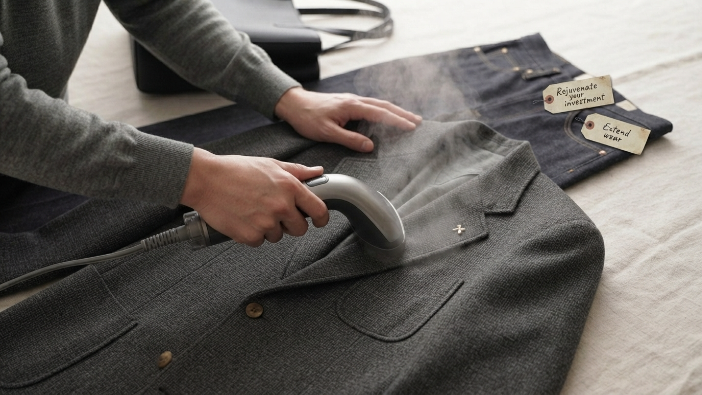
Washing correctly, storing things right, steaming instead of ignoring the wrinkles — none of it is glamorous, but it stretches the life of everything you own by a noticeable margin. Cheap stylish outfits stay looking sharp far longer than you’d expect when you actually bother taking care of them.
11. Avoid Trend-Chasing Purchases
Trendy pieces are almost always the first to look dated — sometimes before the season’s even over. Put most of your money toward timeless silhouettes and let cheaper accessories carry the trend part of the equation.
12. Use the “Cost Per Wear” Mental Formula
Take the price, divide it by how many times you’ll actually wear the thing. Do this enough and you start noticing that the slightly pricier, more versatile piece is usually the real bargain — even if it didn’t feel that way standing at the register.
13. Borrow or Swap with Friends
Clothing swaps are criminally underused. A free wardrobe refresh, zero dollars spent, and there’s a decent chance you have friends who’d love an excuse to do this too.
14. Choose Neutral Basics as Your Foundation
Black, white, navy, beige, gray. These act as a flexible base that makes every future purchase stretch further, since almost anything new you buy will end up coordinating with what’s already hanging there.
15. Set a Seasonal Budget, Not an Impulse Budget
Instead of buying reactively every time something catches your eye, set a modest budget for the season and plan around actual gaps in your wardrobe.
It keeps spending intentional instead of emotional — and if we’re being honest, emotional spending is where most closet regret starts in the first place.
How to Shop Smarter on a Budget
Smart shopping actually starts before you ever walk into a store or open an app. Make an actual list of specific gaps in your closet — not vague ideas like “something cute,” but concrete stuff like “a neutral blazer” or “a second pair of everyday jeans.”
That keeps you from buying on impulse and ending up with things that don’t talk to the rest of your wardrobe.
It also helps to separate wants from needs. Both deserve a place in a healthy wardrobe — this isn’t about denying yourself anything fun — but knowing which is which helps you budget more intentionally.
Replacing worn-out shoes is a need. A fun statement piece is a want. Plan for both, not just the practical stuff, or your style starts to feel purely utilitarian.
Things I’ve Picked Up Along the Way
One mistake I see all the time is people assuming affordable fashion tips mean giving up on style entirely. That’s just not how this works.
The real difference between an outfit that looks expensive and one that doesn’t almost always comes down to fit, ironing, and how well the pieces coordinate — not what they cost.
I always tell people to keep a small mental “style formula” — three or four outfit combinations you already know work on your body, that you can recreate with small tweaks. This kills decision fatigue and means you’ve always got a reliable, stylish option no matter your budget that week.
Something I’ve noticed over the years: people who shop with an actual plan spend noticeably less than people who shop reactively. Impulse buys are one of the biggest reasons budgets spiral, and they’re also usually the pieces that end up sitting unworn in the back of a closet.
If there’s one thing working with budget-conscious clients has taught me, it’s that patience while shopping pays off — financially, and honestly, stylistically too.
Personally, I think accessories are the single most underrated tool in fashion on a budget. A good bag, the right belt, a statement necklace — any of these can transform a simple outfit almost instantly, and they’re usually far cheaper than clothing itself.
Mistakes to Avoid
- Buying based on trends instead of versatility. Trend pieces age fast and often don’t play well with the rest of your closet.
- Ignoring fit to save a few dollars. Something ill-fitting rarely looks polished, no matter how cheap it was.
- Overbuying “just in case” pieces that end up unworn — that’s wasted budget, plain and simple.
- Skipping garment care. Bad washing or storage habits shorten the life of even genuinely good pieces.
- Shopping with no plan at all. Reactive shopping is how you end up with three of the same thing and none of what you actually needed.
Final Thoughts
Looking stylish on a budget was never about deprivation — it’s about intention. Every tip in this guide comes back to the same core idea: know what you own, buy what you actually need, and style what you have with some confidence. Fashion on a budget rewards patience and planning far more than it ever rewards spending.
If there’s one thing I want you to take away from this, it’s that your style comes from your choices, not your budget. With the right approach, cheap stylish outfits are genuinely within reach — and honestly, building them might teach you more about your own personal style than an unlimited budget ever would.
FAQ
What’s the single best budget-friendly fashion tip for beginners?
Start with a capsule wardrobe built around neutral basics. It maximizes your outfit combinations while keeping spending low.
Is thrifting actually worth the time it takes?
Yes, especially for natural-fiber basics and outerwear — these tend to be well-made to begin with and heavily discounted secondhand.
How do I make cheap clothes look more expensive?
Fit first, then proper ironing or steaming, then pair with one elevated accessory — a structured bag or a nice pair of shoes does a lot of the work.
Should I ever spend more on one item?
Yes — for things you wear constantly, like jeans, coats, or shoes, spending a bit more usually gets you a much better cost-per-wear.
How often should I actually refresh my wardrobe on a budget?
A seasonal review beats constant small purchases — it’s both cheaper and more intentional.
Do accessories really make that big a difference?
Genuinely, yes. They’re one of the most cost-effective ways to update or elevate an outfit without buying new clothing at all.
What’s the biggest fashion-budgeting mistake people make?
Shopping impulsively with no real plan, which usually leads to overspending on things that don’t integrate with what’s already in the closet.